

Panic Meditation for Beginners: A Nervous System Guide to Calming Overwhelm and Anxiety
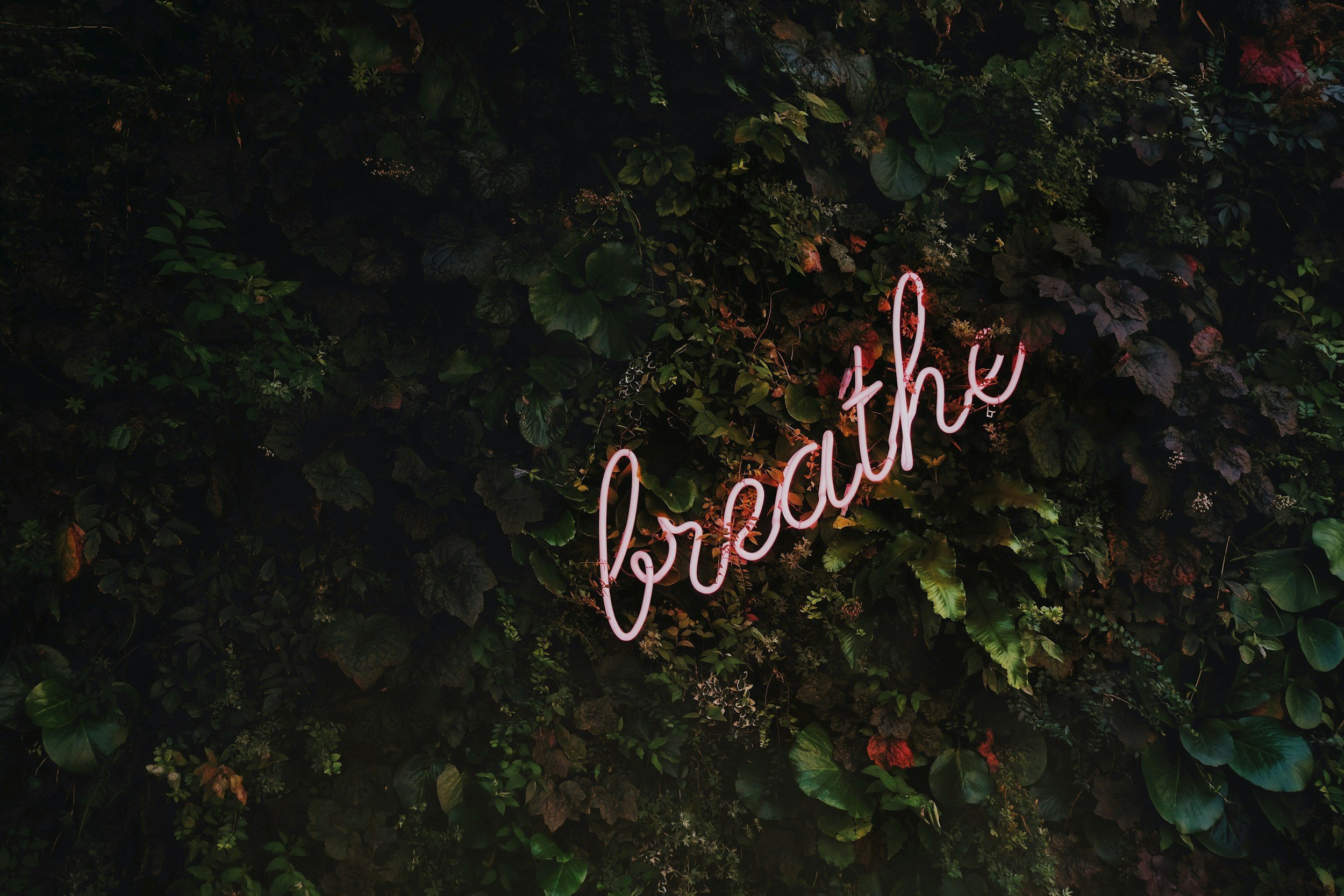
When your nervous system is overloaded, panic can feel sudden, intense, and disorienting. Your heart may race, your breathing may feel shallow, and your mind may jump to worst-case scenarios. In these moments, it can be hard to think clearly enough to “do the right thing.”
Panic meditation is not about forcing calm. It’s about gently helping your nervous system shift out of survival mode and back into a more grounded state, at your own pace.
Modern neuroscience shows that panic is not a cognitive failure, but a rapid activation of the body’s threat detection system, involving autonomic and limbic responses designed for survival (LeDoux, 2012; McEwen, 2007).
Understand What’s Happening
Panic is a nervous system response, not a personal failure. When your system perceives threat, whether emotional, physical, or internal, it activates a fight, flight, or freeze response (Porges, 2011).
This can feel like:
Rapid heartbeat
Tight chest or throat
Dizziness or disconnection
Racing thoughts or fear spirals
Feeling out of control or unsafe in your body
These experiences reflect autonomic nervous system activation rather than intentional thought processes (Cannon, 1932; Porges, 2011).
The goal is not to “stop panic,” but to help your system recognize that it is safe enough to settle.
Orient to the Present Moment
Start by gently helping your brain understand where you are.
Look around slowly and name:
3 things you can see
2 things you can physically feel (feet on the ground, chair beneath you)
1 thing you can hear
This grounding technique supports “orienting responses,” which help shift the nervous system out of threat mode by engaging present-moment sensory processing (Ogden et al., 2006; van der Kolk, 2014).
You are not trying to fix anything, just reconnecting to your environment.
Slow, Gentle Breathing (No Pressure)
If breathing feels difficult, do not force deep breaths. Instead, focus on softening the exhale.
Try this:
Inhale naturally through your nose
Exhale slightly longer than the inhale
Pause briefly before the next breath
Even subtle lengthening of the exhale can activate parasympathetic regulation through vagal pathways (Porges, 2011).
If focusing on breath increases distress, skip this step and return to grounding. Research shows that interoceptive focus (like breath monitoring) can increase anxiety in some individuals, especially under stress or trauma activation (Boettcher et al., 2018).
Soften the Body, Don’t Force Relaxation
Instead of trying to “relax,” aim to reduce physical tension where possible.
You might:
Unclench your jaw
Drop your shoulders slightly
Press your feet into the floor
Place a hand on your chest or abdomen
Small physical cues of safety can influence autonomic regulation through body-brain feedback loops (van der Kolk, 2014).
Name What’s Happening
Gently labeling your experience can help reduce escalation of fear.
You might say:
“This is panic.”
“My nervous system is activated.”
“This feeling will pass.”
Affect labeling has been shown to reduce amygdala activation and increase prefrontal regulation, helping create distance between sensation and interpretation (Lieberman et al., 2007).
You are not arguing with your thoughts, just naming what is happening in real time.
Allow the Wave to Pass
Panic rises, peaks, and falls like a wave even when it feels endless in the moment.
Your goal is not to push it away, but to stay with it in a supported way:
Keep grounding
Keep soft breathing if possible
Let sensations move through without judgment
Anxiety and panic states are time-limited physiological cycles, even though perception during the episode can distort time and intensity (Barlow, 2002).
Even small moments of staying present can help retrain your nervous system over time.
If Meditation Feels Hard, That’s Okay
For many people with chronic stress, trauma, or nervous system dysregulation, stillness can initially feel uncomfortable. This is a common trauma-informed consideration in somatic therapy approaches (Ogden et al., 2006).
If sitting quietly increases panic, try:
Walking slowly
Holding something cold or textured
Listening to calming sound in the background
Doing grounding while moving your body gently
Panic regulation is flexible. There is no “perfect way” to do it.
Building Safety Over Time
Learning to work with panic is not about eliminating fear, it’s about building safety within your nervous system over time.
Even brief moments of grounding and awareness can help the nervous system learn that it does not need to remain in survival mode (McEwen, 2007).
If you experience frequent panic, overwhelm, or nervous system dysregulation, especially alongside chronic illness or trauma, therapy can help you build personalized tools that support regulation in a way that fits your body and capacity.
References
Barlow, D. H. (2002). Anxiety and its disorders: The nature and treatment of anxiety and panic (2nd ed.). Guilford Press.
Boettcher, J., Astrom, V., Påhlsson, D., Schenström, O., Andersson, G., & Carlbring, P. (2018). Internet-based mindfulness treatment for anxiety disorders: A randomized controlled trial. Behaviour Research and Therapy, 109, 1–10.
Cannon, W. B. (1932). The wisdom of the body. Norton.
LeDoux, J. (2012). Rethinking the emotional brain. Neuron, 73(4), 653–676.
Lieberman, M. D., Eisenberger, N. I., Crockett, M. J., Tom, S. M., Pfeifer, J. H., & Way, B. M. (2007). Putting feelings into words: Affect labeling disrupts amygdala activity. Psychological Science, 18(5), 421–428.
McEwen, B. S. (2007). Physiology and neurobiology of stress and adaptation: Central role of the brain. Physiological Reviews, 87(3), 873–904.
Ogden, P., Minton, K., & Pain, C. (2006). Trauma and the body: A sensorimotor approach to psychotherapy. Norton.
Porges, S. W. (2011). The polyvagal theory: Neurophysiological foundations of emotions, attachment, communication, and self-regulation. Norton.
van der Kolk, B. (2014). The body keeps the score: Brain, mind, and body in the healing of trauma. Viking.